
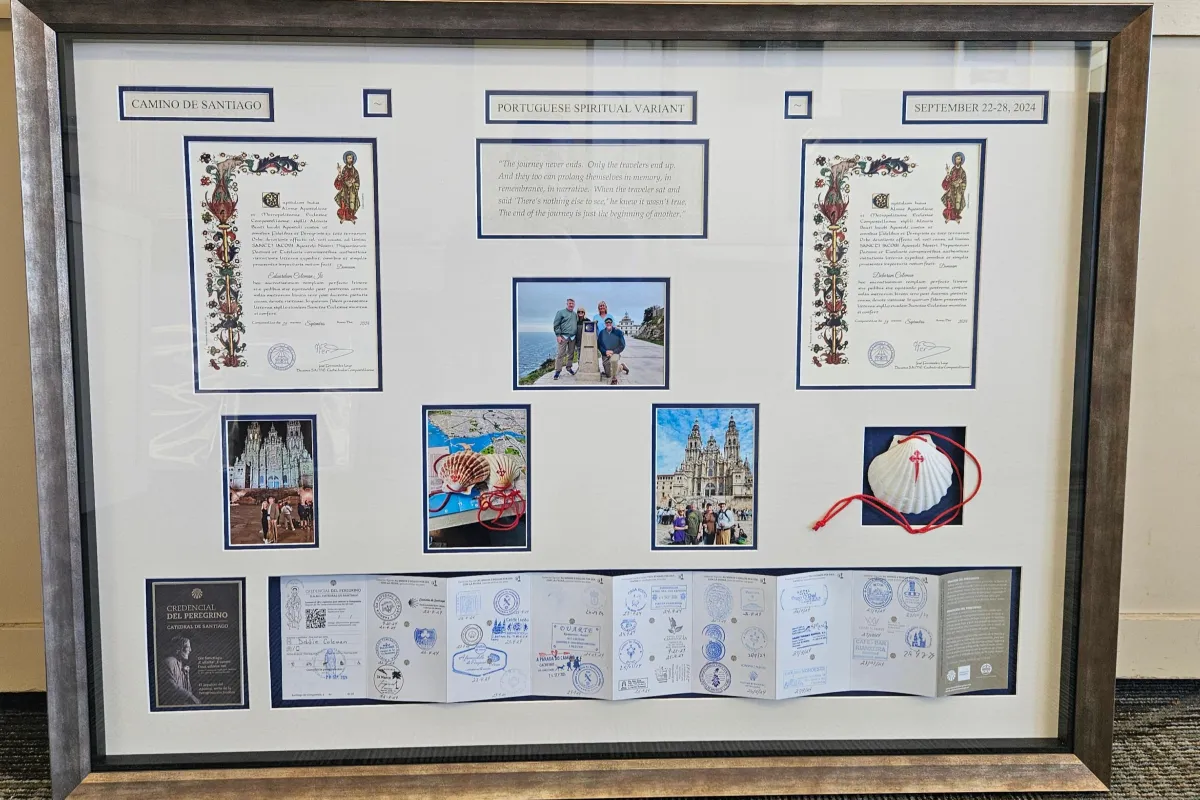
Protect Artwork: UV & Conservation Framing Tips
Framing, Conservation Framing Savannah, UV Protection Framing
How To Protect Artwork, Photos, and Memorabilia From Fading
Artwork fading is one of the most common problems we see in custom framing, and unfortunately, most people do not realize it is happening until the damage is already done.
A family photo starts looking washed out. A signed piece loses contrast. Colors in artwork slowly become dull over time.
The good news is that fading is largely preventable.
With the right framing materials, thoughtful placement, and proper protection, your artwork, photographs, diplomas, and memorabilia can stay looking great for decades. In Savannah, where sunshine and humidity are part of everyday life, protecting framed pieces becomes even more important.
This guide explains what causes fading, how to prevent it, and what framing choices make the biggest difference.
What Causes Artwork and Photos to Fade?
Several things work together over time to damage artwork and photographs. Understanding these causes makes it easier to protect the things you care about.
UV Light Is the Biggest Cause of Fading
Ultraviolet light is the number one reason artwork fades.
Sunlight contains UV rays that slowly break down pigments, dyes, inks, and paper fibers. Over time, colors lose vibrancy and contrast disappears.
This damage is permanent.
Savannah homes often have bright natural light and large windows, which makes UV protection especially important for artwork displayed near sunlight.
Visible Light Also Contributes
Even indoor lighting causes gradual fading.
Strong artificial lighting, especially older bulbs and prolonged exposure, slowly affects colors over time. The goal is not to keep artwork in the dark. It is to reduce unnecessary exposure and use framing materials that help protect it.
Humidity and Temperature Changes Matter Too
Savannah humidity creates additional challenges.
Moisture can cause paper to ripple, photographs to warp, and mold to develop inside frames. Constant temperature swings also put stress on materials over time.
Coastal climates are harder on artwork than many people realize.
Cheap Framing Materials Can Damage Artwork
Many older frames use acidic mat board and backing materials.
These materials slowly transfer acids into artwork, causing yellowing, brittleness, and discoloration. If you have older framed photographs with brown edges or yellow marks around the mat opening, this is often the reason.
The Best Ways to Protect Artwork From Fading
Protecting artwork is usually not about one single upgrade. The best results come from combining several protective choices together.
Choose UV Protective Glass
One of the biggest upgrades you can make is selecting UV protective glazing.
Museum glass and conservation glass block most harmful UV rays before they ever reach your artwork.
For family photos, diplomas, signed memorabilia, original artwork, and sentimental pieces, UV glass is often one of the most worthwhile investments you can make.
Use Archival Mat Board
Archival mat board is designed to protect artwork rather than damage it.
Unlike standard mats, archival materials are acid free and help prevent yellowing and deterioration over time.
If preserving the piece matters, archival materials should always be part of the conversation.
Use Acid-Free Backing Materials
Protection should happen from both sides.
Acid-free backing helps reduce environmental exposure while creating a more stable environment inside the frame package.
This becomes especially important in humid environments like Savannah.
Use Proper Mounting Methods
How artwork is mounted matters.
For valuable or sentimental pieces, reversible mounting methods are usually preferred because they protect the artwork while allowing future reframing without unnecessary damage.
Avoid Direct Sunlight
Even excellent framing has limits.
Avoid placing artwork:
• Directly across from large windows
• Above heating vents
• In high humidity rooms
• In areas with strong afternoon sunlight
Interior walls and spaces with indirect light are usually safer choices.
What If Artwork Is Already Faded?
Unfortunately, fading cannot truly be reversed.
Once colors have faded from UV exposure or aging, the damage is permanent.
However, you can still stop additional deterioration.
Options include:
• Reframing with conservation materials
• Upgrading to UV protective glass
• Consulting an art restoration professional for valuable pieces
• Creating reproductions before further damage occurs
If you have older framed pieces, it is often worth having them evaluated before the damage becomes worse.
Why Savannah Homes Need More Protection
Savannah creates unique challenges for framed artwork.
Long periods of sunshine, high humidity, and seasonal heat create conditions that are harder on artwork than many inland climates.
Historic homes with large windows can create beautiful spaces, but they also increase UV exposure significantly.
That is why conservation framing choices matter more here than they might elsewhere.
Frequently Asked Questions
Does UV glass actually prevent fading?
It significantly slows fading by blocking harmful UV rays. Museum glass offers the highest level of protection.
Can faded photos be restored?
Not usually. Prevention is much easier and more effective than restoration.
Does humidity affect framed artwork?
Yes. Humidity contributes to warping, mold growth, yellowing, and material breakdown over time.
What type of mat board is best?
Archival, acid-free and lignin-free "cotton rag" is recommended for artwork, photos, and important documents.
How often should older framing be checked?
If a piece was framed years ago using unknown materials, having it evaluated is worthwhile, especially for sentimental or valuable items.
Protect the Pieces That Matter Most
Artwork, photographs, diplomas, and memorabilia deserve protection that lasts.
The right glass, archival materials, proper mounting, and thoughtful placement all work together to preserve what matters.
If you have older framing or pieces you are concerned about, bring them into Friedman's Framing. We can look at what materials are currently protecting them and recommend options that make sense for your piece, your home, and your budget.